What grit sandpaper to use on aluminum?
What grit sandpaper to use on aluminum?
Aluminum is a ubiquitous metal valued for its light weight, corrosion resistance, and malleability, making it a staple in automotive, aerospace, DIY crafts, and industrial projects.
Choosing the right sandpaper grit for aluminum hinges on understanding the project’s goal, the metal’s initial condition, and following a progressive sanding sequence.
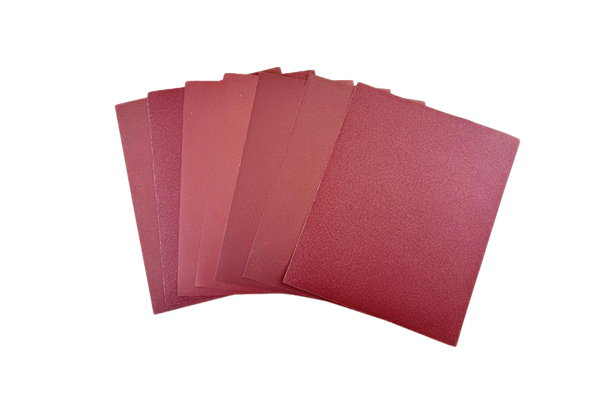
First, let’s clarify sandpaper grit basics. Grit refers to the number of abrasive particles per square inch; higher numbers indicate smaller, finer particles, while lower numbers signify larger, coarser grains. For aluminum, sanding is rarely a one-grit task. Instead, a “progressive sequence”—starting coarse to remove imperfections, then moving to finer grits to smooth and refine—is non-negotiable. Aluminum’s low hardness means abrasive grains can embed or scratch the surface if skipped, so patience with grit progression pays off.
Coarse grits (80–120) are reserved for heavy-duty material removal. This range is ideal for fixing deep scratches, dents, mill marks, or rust pits on raw aluminum. For example, restoring a weathered aluminum auto part or shaping a custom metal bracket may start with 80-grit to level uneven surfaces quickly. However, use coarse grits sparingly and with light pressure—aluminum’s softness means excessive force will dig new scratches deeper than the original damage. Avoid 80-grit on surfaces with minor imperfections; it’s overkill and creates more work for subsequent grits. 120-grit is a milder coarse option, suitable for removing thick oxidation or smoothing rough cuts without excessive material loss.
Medium grits (180–320) are the workhorses of aluminum sanding, bridging coarse removal and fine smoothing. After addressing major flaws with coarse grit, switch to 180–240 grit to eliminate coarse scratches and surface oxidation—the dull gray layer that forms when aluminum reacts with air. This range is perfect for general surface preparation, such as sanding aluminum before painting, priming, or anodizing. The abrasive particles are fine enough to create a uniform surface without damaging the metal, ensuring primers and paints adhere evenly. For most DIY projects—like refinishing aluminum trim, cookware, or motorcycle parts—240-grit is a safe starting point if there’s no heavy damage. 320-grit takes smoothing a step further, preparing the surface for fine sanding or light polishing.
Fine grits (400–600) are designed for refining the surface and prepping for finishing touches. After medium grit sanding, 400–600 grit removes remaining scratches, creating a smooth base for painting, clear coating, or polishing. This range is critical for projects where a flawless finish is non-negotiable, such as aluminum wheels, decorative metal pieces, or aerospace components. 400-grit is ideal for final prep before painting, as it creates a texture that promotes adhesion without visible scratches. 600-grit takes it a step further, producing a surface ready for ultra-fine sanding or polishing compounds. For light touch-ups on already smooth aluminum, 600-grit can be used directly to remove minor scratches or haze.
Ultra-fine grits (800–2000+) are reserved for polishing and achieving mirror-like finishes. Once the surface is smooth with 600-grit, progress to 800–1000 grit to refine the texture further, then 1500–2000 grit for a high-gloss shine. This sequence is common in automotive and marine applications, such as polishing aluminum rims, trim, or boat fittings. For an even more reflective finish, professionals may use 3000+ grit sandpaper followed by polishing compounds. Ultra-fine grits are also useful for restoring polished aluminum—they remove light scratches and water spots without damaging the existing finish. Wet sanding with ultra-fine grits is recommended, as it reduces dust, prevents clogging, and cools the metal to avoid warping.
Beyond grit, sandpaper type and technique impact results. Aluminum oxide sandpaper is the most versatile choice for aluminum—it’s durable, sharp, and works for both wet and dry sanding. Silicon carbide sandpaper is superior for wet sanding, as it resists clogging with aluminum particles and delivers a smoother finish. Wet sanding is preferred for aluminum in most cases: it minimizes dust (aluminum dust is flammable, so wet sanding reduces fire risk), prevents abrasive clogging, and creates a finer finish. Use water or a lubricant like mineral oil to keep the surface moist during wet sanding.
News
Contact Us
Contact: JinKaiYan Abrasives
Phone: +86 13663827325
Tel: +86 13663827325
E-mail: cici8686@foxmail.com
Add: Weidu Industrial zone Xuchang City, Henan province China