Difference Between Emery Cloth And Sandpaper
Difference Between Emery Cloth And Sandpaper
Among the most commonly used abrasives are emery cloth and sandpaper, two tools that are often confused due to their similar appearance and basic function.
1. Core Composition
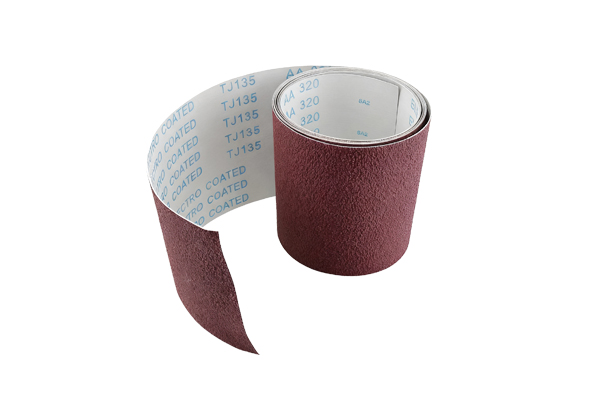
The primary difference lies in their abrasive and backing materials. Emery cloth uses corundum-based abrasives (natural emery or synthetic aluminum oxide) paired with a durable woven cotton/linen cloth backing. This cloth backing offers flexibility, tear resistance, and tolerance to oils/moisture.
Sandpaper typically features a paper backing (lightweight to heavyweight), though industrial variants may use cloth/film. Its abrasives are more diverse—including garnet, aluminum oxide, silicon carbide, and zirconia alumina—tailored to specific materials, enabling greater versatility than emery cloth’s corundum-only options.
2. Abrasive Properties
Emery cloth is known for aggressive cutting power, ideal for heavy-duty metal grinding. However, its grit distribution is less uniform, resulting in a less smooth finish. Its woven backing and hard abrasives also provide strong wear resistance, lasting longer on tough materials like steel.
Sandpaper offers variable aggressiveness based on abrasive type and grit size, suitable for both heavy material removal and fine finishing. Synthetic sandpapers have precise, uniform grit distribution, ensuring consistent smooth surfaces. Wear resistance varies by backing/abrasive—paper-backed variants are less durable than emery cloth, while specialized options (e.g., zirconia alumina) offer improved longevity at a higher cost.
3. Ideal Applications
Emery cloth excels in heavy-duty metalworking: rust/corrosion removal, weld smoothing, metal shaping, and sanding in damp/greasy environments. It is unsuitable for wood, plastics, or delicate surfaces due to its aggressiveness.
Sandpaper’s versatility makes it ideal for diverse tasks: woodworking (finishing and preparation), hard materials (glass, ceramics via silicon carbide), automotive refinishing (wet/dry variants), drywall smoothing, and crafts. It works for light metal sanding but is less efficient than emery cloth for heavy metal tasks and should avoid damp/greasy conditions with paper backing.
4. Practical Considerations
Emery cloth is more expensive upfront but cost-effective for heavy-duty tasks due to durability. Sandpaper is cheaper and more widely available, making it the go-to for general-purpose or occasional use. Safety-wise, both produce harmful dust (requiring masks/eye protection), but emery cloth’s cloth backing reduces tear-related injury risks compared to paper-backed sandpaper.
News
Contact Us
Contact: JinKaiYan Abrasives
Phone: +86 13663827325
Tel: +86 13663827325
E-mail: cici8686@foxmail.com
Add: Weidu Industrial zone Xuchang City, Henan province China