What sandpaper to remove clear coat paint?
What sandpaper to remove clear coat paint?
Removing clear coat paint—whether for refinishing a car, restoring furniture, or repairing a damaged surface—requires precision and the right sandpaper. The clear coat, a transparent protective layer atop base paint, is durable but delicate; using the wrong sandpaper can scratch the underlying base coat or damage the substrate.
Grit size is the most critical factor when selecting sandpaper for clear coat removal. Grit refers to the number of abrasive particles per square inch—lower numbers mean coarser grit, which removes material faster, while higher numbers indicate finer grit for smoothing. For clear coat removal, a gradual transition from coarse to fine grit is essential to avoid damage. Start with a medium-coarse grit to strip the clear coat efficiently, then move to finer grits to refine the surface before reapplication or finishing.
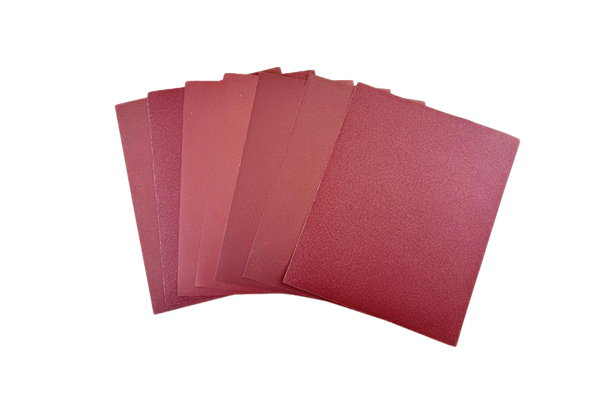
Medium-coarse grits (400 to 600) are ideal for initial clear coat removal. These grits strike a balance between cutting power and control: they can strip the clear coat without digging into the base paint, provided pressure is applied evenly. Avoid grits lower than 400 (e.g., 240 or 320) unless the clear coat is extremely thick or heavily damaged. Coarser grits risk creating deep scratches that are difficult to buff out and may penetrate the base coat, requiring costly touch-ups.
Once the majority of the clear coat is removed, transition to fine grits (800 to 1200) to smooth the surface. These grits eliminate any scratches left by the medium-coarse sandpaper and prep the surface for polishing or reapplication of clear coat. For surfaces that demand a flawless finish—such as automotive bodies—finish with extra-fine grits (1500 to 2000). This final sanding step ensures the surface is uniform, allowing the new clear coat to adhere properly and dry to a glossy shine.
Beyond grit size, the type of sandpaper matters for clear coat removal. Wet/dry sandpaper, typically made of silicon carbide, is the preferred choice. It works well with water or a lubricant, which reduces friction, prevents overheating, and washes away debris—critical for avoiding swirl marks on the base coat. Silicon carbide sandpaper is durable and maintains its sharpness longer than aluminum oxide sandpaper, which is better suited for dry sanding wood or metal rather than delicate clear coat.
For automotive projects, wet sanding with silicon carbide sandpaper is particularly recommended. The lubrication from water minimizes the risk of scratching the base paint and keeps the sandpaper clean, ensuring consistent removal. For smaller surfaces or spot repairs (e.g., a chipped clear coat on furniture), dry sanding with fine-grit wet/dry sandpaper may suffice, but wet sanding remains the safer option for precision.
Specialty sandpapers, such as microfiber sanding pads or foam-backed sandpaper, can enhance control for curved or contoured surfaces (e.g., car bumpers or guitar bodies). Foam-backed sandpaper conforms to the surface, distributing pressure evenly and reducing the chance of uneven sanding. Microfiber pads, while less aggressive, are excellent for final smoothing and removing residual clear coat without scratching.
Technique is just as important as sandpaper selection to avoid damaging the base coat. Always sand in a straight, consistent motion (not circular) to minimize swirl marks. Use light, even pressure—let the sandpaper do the work rather than forcing it. For wet sanding, keep the surface and sandpaper continuously wet to prevent drying, which can cause scratches. Periodically wipe the surface with a clean cloth to check progress and ensure the clear coat is removed evenly without exposing the base paint.
It’s also crucial to match the sandpaper to the substrate. For metal or plastic surfaces (common in automotive and industrial projects), silicon carbide wet/dry sandpaper is ideal. For wood surfaces with clear coat (e.g., furniture), aluminum oxide sandpaper may work for dry sanding, but wet/dry sandpaper still offers better control. Avoid using sandpaper with a loose grit, as stray particles can scratch the surface.
News
Contact Us
Contact: JinKaiYan Abrasives
Phone: +86 13663827325
Tel: +86 13663827325
E-mail: cici8686@foxmail.com
Add: Weidu Industrial zone Xuchang City, Henan province China