JinKaiYan Abrasives:Are scouring pads safe for stainless steel?
JinKaiYan Abrasives:Are scouring pads safe for stainless steel?
A common question is whether scouring pads are safe for it— the answer depends on the pad type, surface condition, and usage methods.
Stainless steel’s corrosion resistance comes from a thin, fragile chromium oxide passive layer. Physical abrasion, harsh chemicals, or improper cleaning can damage this layer, leading to corrosion, staining, and pitting.
Its polished or brushed finishes are also scratch-prone. Even minor scratches dull the appearance and trap dirt/moisture, increasing corrosion risk.
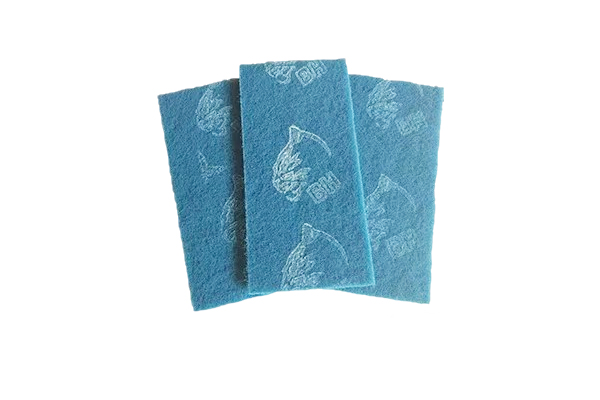
Scouring pads vary in abrasiveness and material, which determines their safety for stainless steel. Below is a concise breakdown of common types and their compatibility:
Non-Abrasive or Mildly Abrasive Pads
Non-abrasive or mildly abrasive pads are generally safe when used properly:
Microfiber Pads: Ultra-soft, non-abrasive, and effective at lifting dirt/grease without scratching. Ideal for daily cleaning; safe for maintaining the passive layer.
Sponge Scouring Pads (Soft Side): Non-abrasive foam side is safe for light cleaning; abrasive side (if any) risks scratching polished finishes and should be used cautiously.
Nylon Scouring Pads: Mildly abrasive, suitable for tough stains without damaging the passive layer. Test on an inconspicuous area first.
Highly Abrasive Pads
Highly abrasive pads are unsafe, as they scratch surfaces and damage the passive layer:
Steel Wool Pads: Never use—iron particles cause rust (iron contamination), and coarse fibers deeply scratch and damage the passive layer.
Brass/Copper Pads: Too abrasive; scratch finishes and damage the passive layer. Better for heavy-duty surfaces like cast iron, not stainless steel.
Heavy-Duty Abrasive Mesh Pads: Scratch stainless steel (especially polished finishes). Avoid unless necessary, and use extreme caution only on unpolished industrial-grade surfaces.
Factors That Influence Scouring Pad Safety
Even mild/non-abrasive pads’ safety depends on these factors:
Surface Finish
Surface Finish: Polished (mirror) finishes are more scratch-prone than brushed/matte ones. Non-abrasive pads are best for polished surfaces.
Pressure Applied
Pressure Applied: Excessive pressure turns mild pads damaging. Use light-moderate pressure; let the cleaner and pad do the work.
Cleaning Solution Compatibility
Cleaning Solution: Avoid harsh chemicals (bleach, ammonia) that damage the passive layer. Use mild, pH-neutral cleaners (e.g., soapy water) formulated for stainless steel.
Pad Condition
Pad Condition: Dirty/worn pads harbor abrasive debris. Rinse thoroughly before use and replace regularly.
Follow these best practices for safe cleaning:
Test First: Try the pad and cleaner on a hidden area to check for scratches/discoloration.
Choose the Right Pad: Use non-abrasive pads for daily cleaning, mild nylon for tough stains, and avoid highly abrasive ones entirely.
Use Mild Cleaners: Opt for soapy water or stainless steel-specific cleaners; avoid harsh chemicals.
Clean with the Grain: Follow the surface’s subtle grain pattern to prevent scratches.
Apply Light Pressure: Use gentle motions; avoid excessive force.
Rinse and Dry: Rinse thoroughly after cleaning and dry immediately to prevent water spots.
Replace Pads Regularly: Discard frayed, discolored, or ineffective pads to avoid scratching.
News
Contact Us
Contact: JinKaiYan Abrasives
Phone: +86 13663827325
Tel: +86 13663827325
E-mail: cici8686@foxmail.com
Add: Weidu Industrial zone Xuchang City, Henan province China