Can you use a scouring pad on stainless steel?
Can you use a scouring pad on stainless steel?
It is crucial to understand the different types of scouring pads, as their abrasiveness varies significantly. The two primary categories are abrasive scouring pads and non-abrasive (or microfiber) scouring pads. Abrasive pads, typically made from steel wool, nylon mesh infused with abrasive particles (such as aluminum oxide), or synthetic fibers with a rough texture, are designed for heavy-duty cleaning tasks—removing tough grime, rust, or baked-on food residues. Non-abrasive pads, on the other hand, are made from soft microfiber, foam, or gentle synthetic materials that clean without scratching, making them suitable for delicate surfaces. When it comes to stainless steel, the key distinction lies in this abrasiveness: non-abrasive scouring pads are generally safe, while abrasive ones pose a risk of damaging the surface.
Stainless steel’s corrosion resistance comes from a thin, invisible protective layer of chromium oxide that forms on its surface. This layer is what gives the material its “stainless” properties, but it is also vulnerable to scratches and abrasion. Abrasive scouring pads, especially those with coarse fibers or embedded abrasive particles, can scratch this protective layer. Even small scratches not only mar the surface’s appearance (creating a dull, uneven finish) but also compromise the chromium oxide layer, exposing the underlying steel to moisture and oxygen. This exposure can lead to rust spots and corrosion over time—undermining the very qualities that make stainless steel desirable. For this reason, abrasive scouring pads should be avoided on most stainless steel surfaces, particularly polished or brushed finishes that show scratches more prominently.
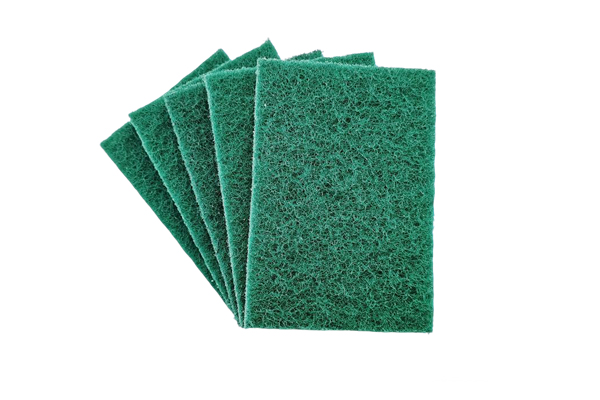
In contrast, non-abrasive scouring pads are a safe and effective tool for cleaning stainless steel when used properly. They can tackle everyday dirt, grease, and light stains without scratching the surface or damaging the protective layer. For example, a microfiber scouring pad paired with a mild detergent (such as dish soap) or a stainless steel cleaner can gently remove food splatters from a stainless steel sink or fingerprints from a refrigerator door. The soft fibers of non-abrasive pads lift dirt and grime without abrading the surface, preserving its shine and integrity. Additionally, some non-abrasive pads are designed to be reusable and machine-washable, making them an eco-friendly and cost-effective cleaning solution.
If you encounter particularly tough stains or residues on stainless steel that a non-abrasive pad cannot remove—such as burnt-on food on a stainless steel cooktop or rust spots (often caused by hard water or metal utensils)—there are safer alternatives to abrasive scouring pads. For instance, creating a paste of baking soda and water (a mild abrasive) and applying it with a soft cloth or non-abrasive pad can gently lift tough stains without scratching. White vinegar or lemon juice can also be used to cut through grease and remove mineral deposits, followed by a rinse with water and a dry with a soft towel to prevent water spots. For persistent rust, specialized stainless steel cleaners or rust removers (formulated to be safe for the material) are a better choice than abrasive pads.
When using any scouring pad on stainless steel, there are a few key best practices to follow to minimize risk: Always test the pad on a small, inconspicuous area first (such as the back of an appliance or the bottom of a sink) to ensure it does not scratch the surface. Use gentle, circular motions rather than scrubbing aggressively, and avoid applying excessive pressure. After cleaning, rinse the surface thoroughly with water to remove any cleaning product residue, and dry it immediately with a soft, lint-free cloth to prevent water spots and maintain shine. Never leave a scouring pad (especially a wet one) in contact with stainless steel for an extended period, as this can lead to discoloration or corrosion.
News
Contact Us
Contact: JinKaiYan Abrasives
Phone: +86 13663827325
Tel: +86 13663827325
E-mail: cici8686@foxmail.com
Add: Weidu Industrial zone Xuchang City, Henan province China