What is the sanding grit rule?
What is the sanding grit rule?
In the realm of woodworking, metalworking, and surface restoration, the sanding grit rule stands as a foundational principle for achieving smooth, professional results. At its core, this rule dictates a sequential progression from coarse to fine abrasive grits, ensuring each step removes the scratches of the previous one while refining the surface texture.
Abrasive grits are categorized by numerical ratings, where lower numbers signify coarser abrasives (e.g., 40. 60 grit) and higher numbers indicate finer ones (e.g., 220. 400 grit). The sanding grit rule mandates starting with the coarsest grit necessary to address the surface’s initial condition—whether removing deep scratches, paint layers, or unevenness. Skipping this coarse stage risks prolonged sanding or incomplete surface correction.
After the initial coarse sanding, the rule requires moving to a grit that is **one to two levels finer** (e.g., from 80 to 120. then to 180 grit). This incremental shift is critical: a jump of too many grit levels will leave the deeper scratches from the coarser abrasive untouched, ruining the final finish. Each subsequent grit refines the surface by cutting through the smaller scratches left by the prior step, gradually creating a uniform, smooth base.
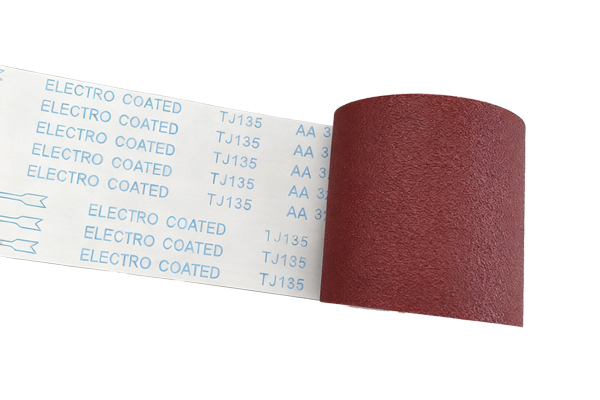
For most projects, the process follows a standard sequence: coarse (40–80 grit) for material removal, medium (100–150 grit) for smoothing, and fine (180–220 grit) for pre-finish preparation. Delicate projects, such as furniture finishing or automotive paintwork, may extend to extra-fine grits (320–600 grit) for a mirror-like surface ready for stains, paints, or clear coats.
A key exception to the linear progression is **cross-grain sanding** in woodworking. Coarse grits are often used across the wood grain to speed up material removal, but fine grits must be applied along the grain to avoid creating new, visible scratches that mar the finish. This adjustment aligns with the grit rule’s overarching goal: minimizing surface imperfections at each stage.
Ignoring the sanding grit rule leads to common pitfalls: using overly fine grits initially results in ineffective material removal, while skipping intermediate grits leaves unsightly scratches that even the finest abrasives cannot eliminate. Adhering to the rule, however, ensures efficiency and quality—sanding becomes a systematic process rather than a trial-and-error task.
News
Contact Us
Contact: JinKaiYan Abrasives
Phone: +86 13663827325
Tel: +86 13663827325
E-mail: cici8686@foxmail.com
Add: Weidu Industrial zone Xuchang City, Henan province China