Selection Criteria for Sanding Belts
Selection Criteria for Sanding Belts
When selecting a sanding belt, several factors need to be considered, including:
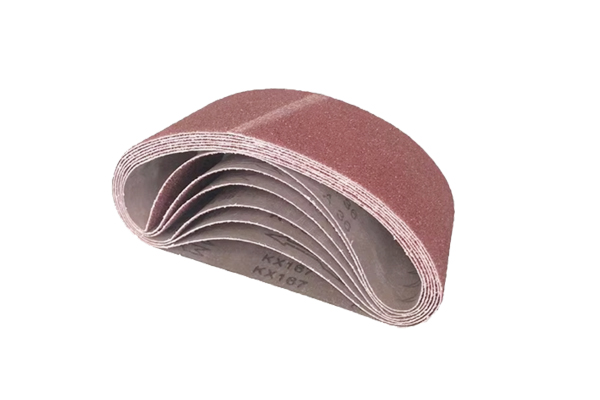
1. Material to be sanded: The type of material being sanded will determine the type of sanding belt to be used. For example, aluminum oxide belts are suitable for sanding wood and soft metals, while zirconia alumina and ceramic belts are better suited for sanding tough materials such as stainless steel.
2. Grit size: The grit size of the sanding belt determines the coarseness of the sanding action. Coarse grit belts are used for initial rough sanding, while fine grit belts are used for final finishing.
3. Belt width and length: The width and length of the sanding belt should be selected based on the size of the workpiece and the sanding machine being used.
4. Quality and durability: High-quality sanding belts are more durable and offer better performance than low-quality belts. Look for belts from reputable manufacturers that offer a warranty or guarantee.
IV. Proper Usage Techniques
To ensure optimal performance and longevity of sanding belts, the following proper usage techniques should be followed:
1. Install the sanding belt correctly: Make sure the sanding belt is installed properly on the sanding machine. Follow the manufacturer’s instructions for installing the belt and ensure that it is tensioned correctly.
2. Use the correct grit size: Select the appropriate grit size for the task at hand. Using a too-coarse grit size can damage the workpiece, while using a too-fine grit size can take longer and be less effective.
3. Keep the sanding belt clean: Regularly clean the sanding belt to remove dust and debris. This will help to prolong the life of the belt and ensure consistent sanding performance.
4. Avoid overheating: Overheating can damage the sanding belt and reduce its lifespan. Avoid applying too much pressure or sanding for too long without allowing the belt to cool down.
5. Use proper safety precautions: When using sanding belts, always wear appropriate safety gear, such as safety glasses, ear protection, and a dust mask. Follow all safety instructions provided by the manufacturer.
V. Maintenance and Storage of Sanding Belts
Proper maintenance and storage of sanding belts can help to prolong their lifespan and ensure optimal performance. Here are some tips for maintaining and storing sanding belts:
1. Clean the belts after use: Remove dust and debris from the sanding belt after each use. This can be done by using a brush or compressed air.
2. Store the belts properly: Store sanding belts in a cool, dry place away from direct sunlight and moisture. Avoid storing them on the floor or in areas where they can be damaged.
3. Inspect the belts regularly: Inspect sanding belts regularly for signs of wear and damage. Replace worn or damaged belts promptly to ensure safe and effective sanding.
News
Contact Us
Contact: JinKaiYan Abrasives
Phone: +86 13663827325
Tel: +86 13663827325
E-mail: cici8686@foxmail.com
Add: Weidu Industrial zone Xuchang City, Henan province China