How to choose the right size belt sander?
How to choose the right size belt sander?
A belt sander is a powerhouse tool for woodworking, metalworking, and DIY projects, capable of quickly smoothing surfaces, removing material, and shaping workpieces. Choosing the right size is critical to balancing efficiency, maneuverability, and project suitability.
First, understand the core size metrics: belt width and belt length. Belt width determines how much surface area you can sand in a single pass, while length impacts the tool’s durability and smoothness of operation—longer belts distribute wear more evenly, reducing the frequency of replacements.
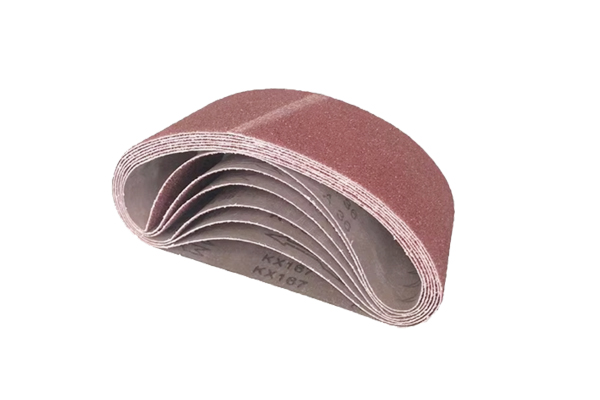
For small-scale projects like crafting, furniture touch-ups, or detailed woodworking, a narrow belt sander (1–3 inches wide) is ideal. These compact tools are lightweight and highly maneuverable, letting you sand tight corners, edges, and intricate details without damaging surrounding areas. A belt length of 18–24 inches works well here; it’s short enough for precision but long enough to avoid rapid belt wear. They are also great for hobbyists who don’t need heavy-duty sanding power.
Medium-sized belt sanders (3–4 inches wide, 21–30 inches long) strike the perfect balance for most home workshops and DIY enthusiasts. They handle a wide range of tasks, from smoothing cabinet doors and floorboards to preparing metal surfaces for painting. This size is versatile enough to tackle both small details and larger flat areas, making it the go-to choice for users who want one tool for multiple jobs.
For heavy-duty, professional applications such as industrial woodworking, floor refinishing, or large metal fabrication, opt for a wide belt sander (4+ inches wide, 30+ inches long). These robust tools cover large surface areas rapidly, cutting down on project time significantly. Professional models often feature wider belts and longer lengths to withstand continuous use, though they are bulkier and less maneuverable than smaller options. Note that wide belt sanders require more power and are better suited for stationary use in a dedicated workspace.
Beyond size, consider your project scope and storage space. Smaller sanders are easy to store and transport, while larger models need dedicated bench space. Also, match the belt size to the grit type—coarser grits work better with wider belts for fast material removal, while finer grits pair well with narrow belts for precision finishing.
News
Contact Us
Contact: JinKaiYan Abrasives
Phone: +86 13663827325
Tel: +86 13663827325
E-mail: cici8686@foxmail.com
Add: Weidu Industrial zone Xuchang City, Henan province China