Are sanding sponges any good?
Are sanding sponges any good?
Sanding sponges have become a common sight in hardware stores and workshops over the past two decades. Whether you’re a professional contractor, a weekend DIY enthusiast, or someone tackling a home repair project, you’ve likely wondered if these foam-backed abrasive tools are worth the investment.
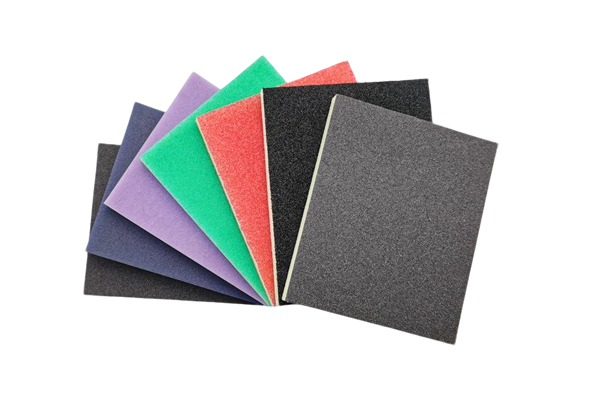
What Makes Sanding Sponges Different
Traditional sandpaper consists of abrasive grains bonded to a flexible paper backing. Sanding sponges replace that paper with a porous foam core, typically polyurethane, that provides cushioning and flexibility. The abrasive material itself—usually aluminum oxide, silicon carbide, or ceramic grains—remains similar to what you’d find on conventional sandpaper.
This structural difference creates distinct performance characteristics. The foam core compresses under pressure, allowing the abrasive surface to conform to contours, corners, and irregular shapes that would challenge flat sandpaper. This conformability is the single most significant advantage sanding sponges offer.
Where Sanding Sponges Shine
Curved and Contoured Surfaces
When working on furniture with rounded edges, automotive body panels, or decorative molding, sanding sponges demonstrate clear superiority. The foam compresses unevenly across its surface, maintaining contact with high and low points simultaneously. This produces more consistent results than trying to wrap rigid sandpaper around curves, which often creates flat spots or uneven pressure distribution.
Detail Work and Tight Spaces
The ability to compress sanding sponges makes them invaluable for corners, crevices, and detailed carvings. You can pinch, fold, or press the sponge into spaces where sandpaper simply won’t reach effectively. Woodworkers restoring antique furniture frequently rely on sanding sponges for intricate spindle work and carved details.
Wet Sanding Applications
Many sanding sponges are designed for wet use. The foam core doesn’t disintegrate when soaked, and water helps flush away debris that would otherwise clog the abrasive surface. This makes them excellent for automotive paint preparation, metal polishing, and situations where dust control matters. The washable nature also extends their usable life significantly compared to disposable sandpaper.
User Comfort
Extended sanding sessions take a toll on hands and wrists. The cushioned grip of a sanding sponge reduces fatigue and provides better control without requiring a separate sanding block. For overhead work or projects requiring hours of hand sanding, this ergonomic benefit becomes genuinely meaningful rather than merely convenient.
Where Sanding Sponges Fall Short
Material Removal Rate
The same cushioning that provides conformability also absorbs pressure that would otherwise drive abrasive grains into the workpiece. For aggressive stock removal—stripping old paint, leveling uneven surfaces, or shaping raw lumber—traditional sandpaper or powered sanders accomplish the work faster. The sponge’s give becomes a liability when you need maximum cutting efficiency.
Flat Surface Precision
When absolute flatness matters, such as preparing joint surfaces for glue-ups or ensuring cabinet panels sit perfectly flush, sanding sponges introduce unwanted variables. The compressible core can create subtle dips and waves that rigid sandpaper backed by a firm block would avoid. Precision woodworking often demands the predictability that only rigid backing provides.
Cost Considerations
Quality sanding sponges cost significantly more per unit than equivalent grit sandpaper sheets. While their washable, reusable nature offsets this somewhat, large projects requiring extensive sanding still favor traditional sandpaper from a budget perspective. The economics shift for smaller jobs where a single sponge might complete the entire task.
Grit Range Limitations
While sanding sponges cover common grit ranges from coarse (60-80) to fine (400+), they don’t match the full spectrum available in traditional sandpaper. Specialized applications requiring very coarse grits for heavy material removal or ultra-fine grits for final polishing may find limited options in sponge form.
Practical Usage Guidelines
Getting good results with sanding sponges requires understanding their proper application. Start by selecting the appropriate grit for your task. Coarse grits (60-100) work for initial surface preparation, medium grits (120-180) handle general smoothing, and fine grits (220+) suit final finishing before applying stains or paints.
Apply light to moderate pressure. Let the sponge’s natural flexibility do the work rather than forcing it against the surface. Excessive pressure compresses the foam too much, reducing its conforming advantage and accelerating wear on the abrasive surface.
For dry sanding, periodically tap the sponge against a hard surface to dislodge accumulated dust. For wet sanding, rinse thoroughly between uses and allow complete drying before storage to prevent mold growth in the foam core.
Know when to switch tools. Begin with powered sanders or traditional sandpaper for rapid material removal, then transition to sanding sponges for final smoothing and detail work. This hybrid approach maximizes efficiency while leveraging each tool’s strengths.
News
Contact Us
Contact: JinKaiYan Abrasives
Phone: +86 13663827325
Tel: +86 13663827325
E-mail: cici8686@foxmail.com
Add: Weidu Industrial zone Xuchang City, Henan province China