Is non-woven water resistant?
Is non-woven water resistant?
The water resistance of non-woven fabric is not an absolute characteristic but depends on its material composition, manufacturing process, and additional treatments. Unlike woven fabrics with interlaced yarns, non-wovens are made by bonding fibers mechanically, thermally, or chemically, resulting in a porous structure that inherently affects water interaction.
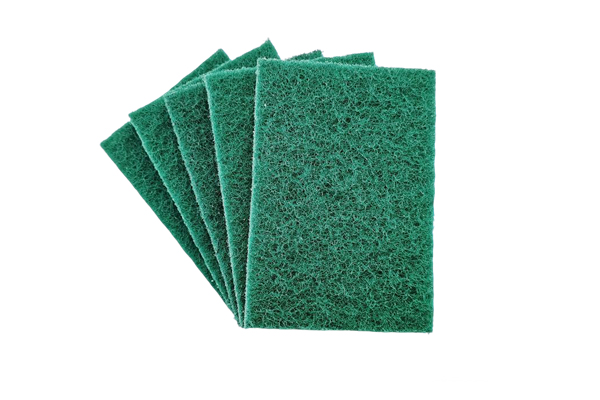
Synthetic fibers like polypropylene (PP) are naturally hydrophobic, giving PP non-wovens basic water resistance that can block liquid water but not high-pressure water columns. In contrast, non-wovens made of natural fibers or polyester (PET) without treatment are less water-resistant, even absorbent in some cases.
Manufacturing processes also play a key role: meltblown non-wovens with fine, dense fibers have better water barrier properties than needle-punched or spunlaced ones, which tend to absorb water unless modified.
To enhance water resistance, non-wovens can undergo special treatments, such as coating with PE or PVC, laminating with waterproof films, or adding fluorine-based or silicon-based waterproof agents. These modifications create a continuous barrier, making them suitable for medical gowns, outdoor gear, or construction materials.
News
- Non-woven Interlaced Flap Fheel / Wire Drawing Wheel Product Introduction
- Jinkaiyan Abrasives: Abrasive Cloth TJ113(JB-5) Manufacturer
- 100% cotton abrasive cloth manufacturer
- JinKaiYan Abrasives: professional manufacturer specializing in industrial non-woven / scouring pads
- Is non-woven water resistant?
Contact Us
Contact: JinKaiYan Abrasives
Phone: +86 13663827325
Tel: +86 13663827325
E-mail: cici8686@foxmail.com
Add: Weidu Industrial zone Xuchang City, Henan province China