How to distress furniture with sandpaper?
How to distress furniture with sandpaper?
Distressing furniture with sandpaper is a simple, cost-effective way to add vintage charm and character to new or outdated pieces.
Start by prepping the furniture. If the piece is newly painted or sealed, let the finish cure completely (follow the manufacturer’s timeline, usually 24–72 hours). Skip stripping the existing finish unless it’s peeling or chipping excessively; the best distressed looks come from sanding through top layers to reveal the wood or undercoat beneath.
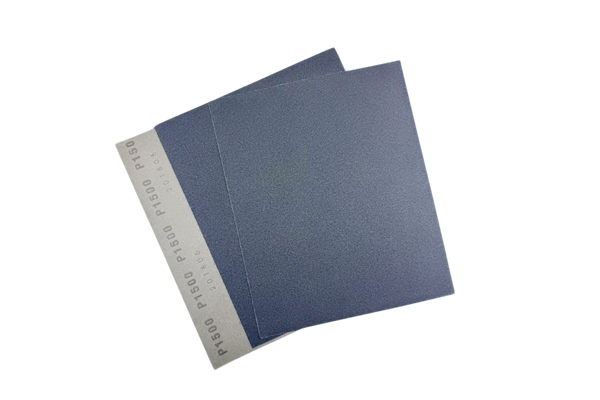
Choose the right sandpaper grits. 120–150 grit sandpaper works best for aggressive distressing—it removes paint or stain quickly without leaving overly deep scratches. For subtle, delicate distressing, opt for 180–220 grit sandpaper. Avoid coarse grits (80 or below) as they can gouge the wood and ruin the natural look. Dry sanding is preferred for most distressing tasks, as wet sanding softens the edges and reduces the rustic texture.
Focus on the wear points—these are the areas that would naturally show damage over years of use:
Edges and corners of tabletops, dressers, and cabinet doors
Drawer pulls, handles, and knobs (sand around hardware to mimic frequent touching)
Leg bottoms and base rails (where furniture would scrape against floors)
Armrests and seat edges of chairs (high-contact spots)
Use light, back-and-forth strokes. For edges, hold the sandpaper at a 45-degree angle and sand along the grain to create a rounded, worn effect. For corners, sand in short, quick motions until the undercoat or raw wood peeks through. Avoid sanding large, flat surfaces evenly—this looks unnatural. Instead, add random, light scratches or scuffs in a few spots to mimic accidental damage.
Once you’ve achieved the desired distressed look, finish the piece to lock in the texture. Wipe away all sanding dust with a tack cloth, then apply a clear wax, matte polyurethane, or stain to protect the surface. Wax works especially well for a soft, aged finish, while polyurethane offers more durability for high-use furniture.
News
Contact Us
Contact: JinKaiYan Abrasives
Phone: +86 13663827325
Tel: +86 13663827325
E-mail: cici8686@foxmail.com
Add: Weidu Industrial zone Xuchang City, Henan province China