what grit sandpaper for concrete?
what grit sandpaper for concrete?
Concrete sanding requires a strategic grit selection based on the project goal—from smoothing rough surfaces to prepping for coatings or polishing.
Here’s a concise guide to choosing the right grit:
1. Coarse Grit (36–60): Heavy Material Removal
Coarse-grit sandpaper is for tackling tough concrete issues: removing deep stains, leveling uneven patches, stripping old paint or epoxy, and smoothing large surface imperfections. Pair it with a floor sander or angle grinder for efficient material removal, but note that it leaves noticeable scratches that need finer grits to refine.
2. Medium Grit (80–120): Surface Smoothing & Prep
Medium grits are the workhorse for concrete prep. They eliminate scratches left by coarse grits, smooth small bumps, and create a slightly textured surface ideal for bonding with paint, stain, or sealer. This grit range is also used for sanding concrete countertops before finishing.
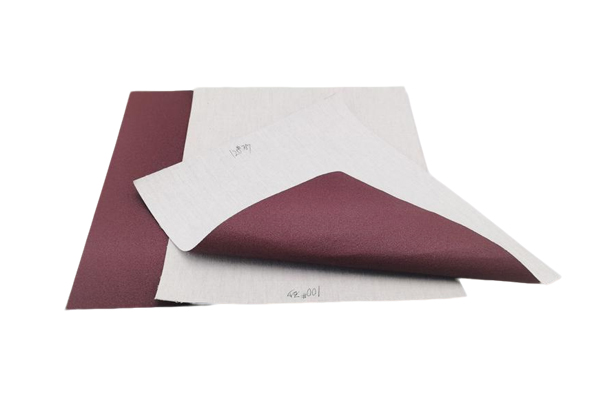
3. Fine Grit (150–220): Pre-Polishing & Final Smoothing
Fine-grit sandpaper refines surfaces after medium grit sanding. It’s used to prep concrete for polishing or to smooth surfaces that will be exposed without heavy coatings. For indoor concrete floors or countertops aiming for a matte finish, 220 grit is often the final step before sealing.
4. Ultra-Fine Grit (300+): Polishing & High-Gloss Finishes
Ultra-fine grits are reserved for concrete polishing projects. Used sequentially (300 → 500 → 1000+ grit), they gradually buff the surface to a glossy, reflective finish. This level is common for decorative concrete floors or countertops where aesthetics are a priority.
News
Contact Us
Contact: JinKaiYan Abrasives
Phone: +86 13663827325
Tel: +86 13663827325
E-mail: cici8686@foxmail.com
Add: Weidu Industrial zone Xuchang City, Henan province China